ROADTRIP FIELD NOTES
Ok, so I might have been a little hasty in publishing this one. I blame the time change! So hold on to your butts, because I’m still exploring Deadly Days: Roadtrip, uncovering new mechanics, and figuring out what else this road trip has in store for me. Consider this a work in progress!
What happens when you combine a bullet heaven, a zombie apocalypse, and a road trip across North America? You get Deadly Days: Roadtrip, an action roguelite from developer Pixelsplit.
Originally released into Steam Early Access in September 2025, Deadly Days: Roadtrip received its full 1.0 release on October 29. The game combines familiar bullet heaven combat with inventory management, equipment crafting, and a journey that becomes increasingly more difficult with every stop.
I’ve spent a good chunk of time with the game on Steam Deck and, more recently, the AYN Odin 3 Max. My opinion has changed quite a bit. What initially felt like a slow and somewhat underwhelming experience has gradually become something I’ve genuinely enjoyed.
Those tasty videos on the Steam page had me convinced I’d be running around balls to the wall right out of the chute. So yeah, I plunked down my cash to take advantage of that sweet 35% discount. However, like so many things in life, they aren’t always what they seem. Once again, I have to earn my keep. No god-mode for me. Oh well.
Each location represents another day of your journey. You’ll fight through zombie hordes, collect equipment, and search for enough gasoline to fuel your bus. As you level up, supply crates offer three rewards, but you can only select one. These can include new equipment or additional backpack space.
The game also has an extraction element. Collecting enough fuel doesn’t force you to leave. You can return to the bus and move on, or continue exploring in search of better loot. The longer you stay, the greater the risk, especially once darkness falls and the zombies become more dangerous. When you’re ready to leave, a marker guides you back to the bus, where a short departure progress bar sends you to the next destination.
The journey isn’t entirely straightforward, either. At certain points, you’re presented with branching routes, each with a difficulty rating indicated by small yellow markers. Some locations also introduce special objectives that break up the usual routine. I’ve encountered everything from hunting down larger zombies called Titans to navigating a maze-like sewer system in search of a single fuel can. It’s a welcome change of pace from the usual gasoline scavenger hunt.
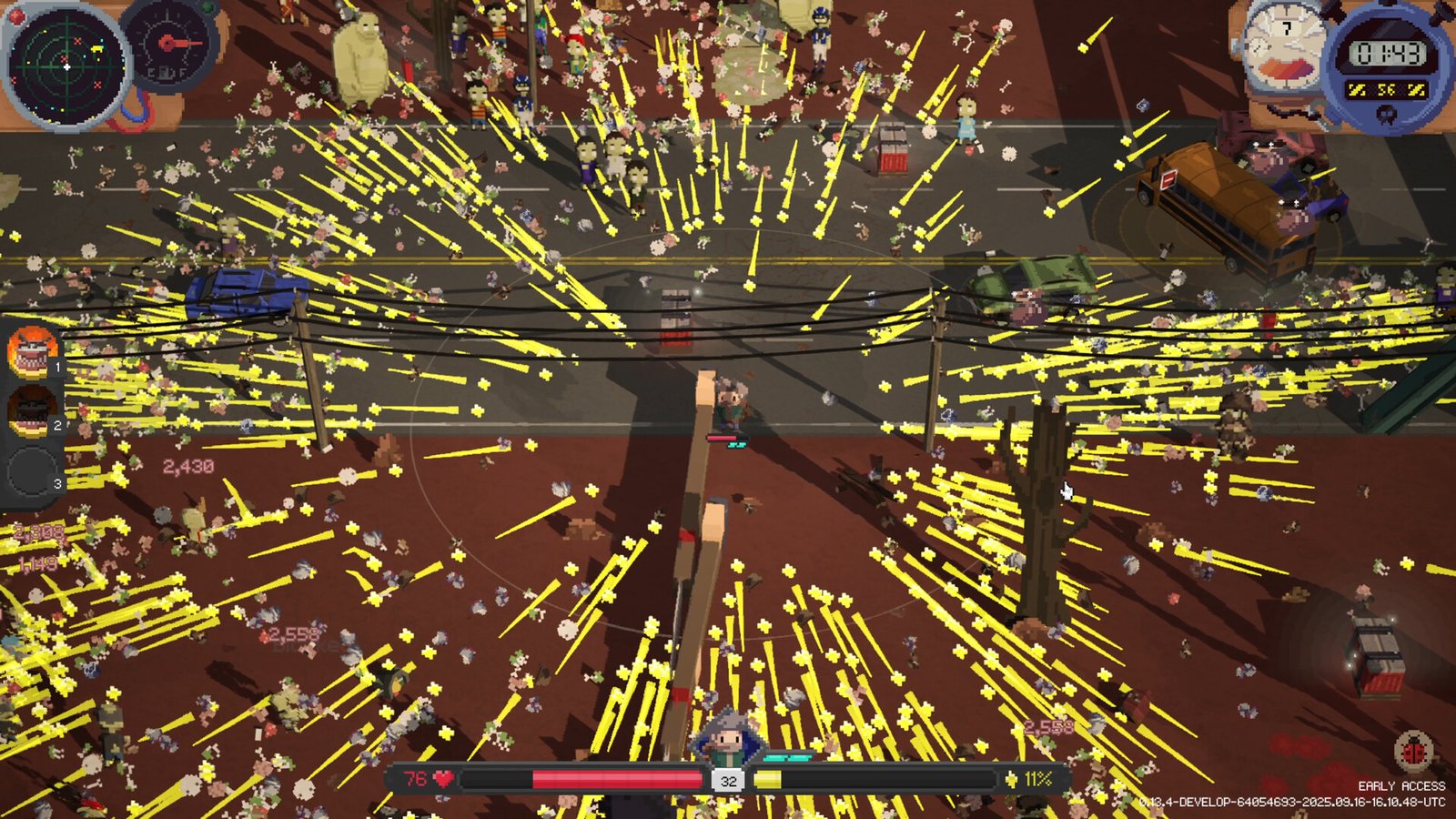
Visually, Deadly Days: Roadtrip has a fun, voxel-inspired art style that gives the game plenty of personality. Enemies burst into showers of pixel-like debris when killed, and explosions send even more pieces flying across the screen. The elevated, isometric-style perspective works well with the chaotic combat. More importantly, the perspective never made navigating these urban environments difficult.
There’s also a clever transparency effect around your character. I think the Digital Foundry guys would call this a visibility radius, or a form of dynamic occlusion. All those years of listening might have just paid off! As you approach buildings and other structures, portions of the scenery become transparent within a circular area, so you can see and explore what’s inside without losing sight of your character. I enjoy when games throw in these neat little wrinkles.
The backpack is practically a game within the game. Equipment comes in different shapes and sizes, and arranging everything becomes a puzzle of its own. Certain items provide synergies when placed alongside compatible equipment, so finding the right combinations is important if you want to keep your run going. Additional backpack space gives you more room to experiment, but those expansions disappear when your run ends.
Equipment you find scattered throughout the environment is always damaged and needs repairs between rounds, while items obtained from supply crates arrive in working condition. You’ll also encounter equipment chests of different rarities, with green, blue, and purple chests each containing an item of the corresponding rarity. There’s a constant temptation to keep searching for something better, even when your bus is ready to leave.
Between locations, you can sell unwanted equipment for duct tape, which is also used to repair damaged items. Eventually, you’ll unlock a merchant who appears at predetermined stops along your journey. She offers a rotating selection of equipment across different rarities, and you can buy or sell items depending on what your backpack needs.
Duplicate equipment can also be combined into stronger versions, much like in Brotato or Grind Survivors. Two gray revolvers, for example, become a single green revolver. There’s also a crafting system that lets you combine specific items to create entirely new equipment. I managed to turn a knife and baseball bat into a sawed-off shotgun, although I’m still discovering what other combinations are possible. There’s a fair amount of strategy beneath all the zombie-slaying chaos, so consider yourself warned if that’s not your thing.
Deadly Days: Roadtrip also puts its own spin on the familiar permanent progression system found in many roguelites. Completing objectives earns apples, which you can spend at the Bookshelf in basecamp to improve attributes such as maximum HP, movement speed, attack speed, and critical damage. The game is generous with apples, so even unsuccessful runs feel worthwhile. You can also invest apples incrementally rather than save enough to purchase an entire upgrade.
Beyond these general improvements, apples can also purchase character-specific upgrades. After defeating my first boss, I was able to increase my banana character’s Banana Blast radius by 25%. It’s another incentive to keep playing, especially as additional characters become available.
Apples have another purpose beyond improving your character. At basecamp, the Apple Press converts them into duct tape, which you can spend at the Workbench on permanent unlocks. These range from additional equipment that can appear during future runs to new gameplay features, including the merchant and crafting abilities. Deciding whether to invest your apples in character attributes or expand your available equipment adds another layer to the progression system.
Death sends you back to basecamp without your equipment, and your next attempt starts on Day 1. Fortunately, your permanent upgrades remain intact. I’ve gained access to eight attributes so far, with another four still locked. Even after considerable playtime, I don’t feel as though my character has reached the level of power I’d like.
Most of my time has been on Steam Deck, where the game maintains a solid 90 FPS and the controls feel good. I’ve also spent considerable time playing on the AYN Odin 3 Max through DroidDeck. Performance initially fluctuated between 40 and 120 FPS, although my latest testing with VSync enabled has settled into a 40–60 FPS range.
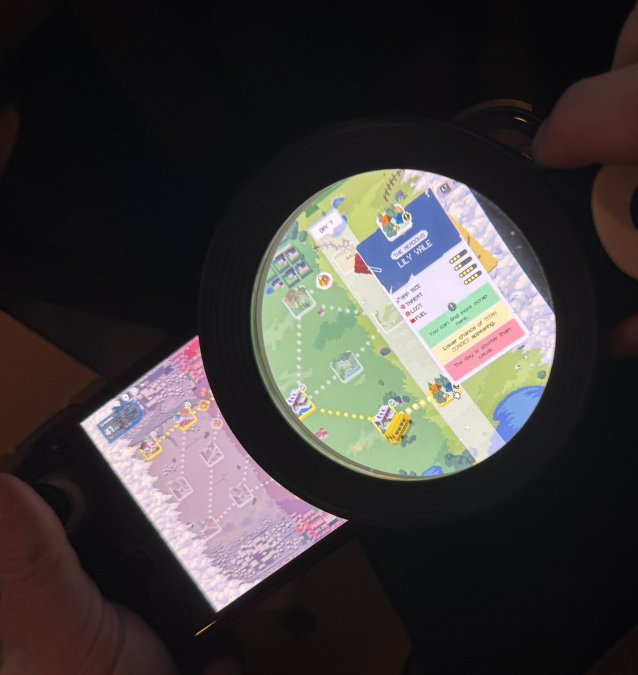
Here’s a little PSA for my fellow handheld gamers. If you’re struggling to read the tiny text, check the game’s settings. There’s an option to switch from Pixelated to More Readable text, and it makes a noticeable difference, especially on the Odin 3 Max’s smaller screen. I discovered this after resorting to a magnifying glass just to read some of the information on the screen. I’m not kidding. See for yourself. Apparently, I should have explored the settings menu a little sooner!
I also spent some time playing on my PC, where the frame rate reached approximately 600 FPS. After disabling VSync and limiting the game to 120 FPS, I couldn’t detect any noticeable difference in how the game played. Even compared with my handheld experience, the higher frame rates didn’t seem to offer much of an advantage.
I finally managed to defeat the first boss and complete a run. After the battle, I was given the option to return to basecamp or continue into Endless Mode. My victory also unlocked the Sheriff, a new playable character, along with additional biomes, another boss, and Weekly Challenges. Interestingly, the game warns that Weekly Challenges may contain spoilers. Apparently, there’s still plenty more zombie-slaying ahead of me.
Deadly Days: Roadtrip has revealed far more depth than I initially expected. Its combination of combat, backpack management, crafting, and permanent progression has grown on me considerably. What started as a somewhat disappointing experience has become a game I’m genuinely looking forward to playing again.
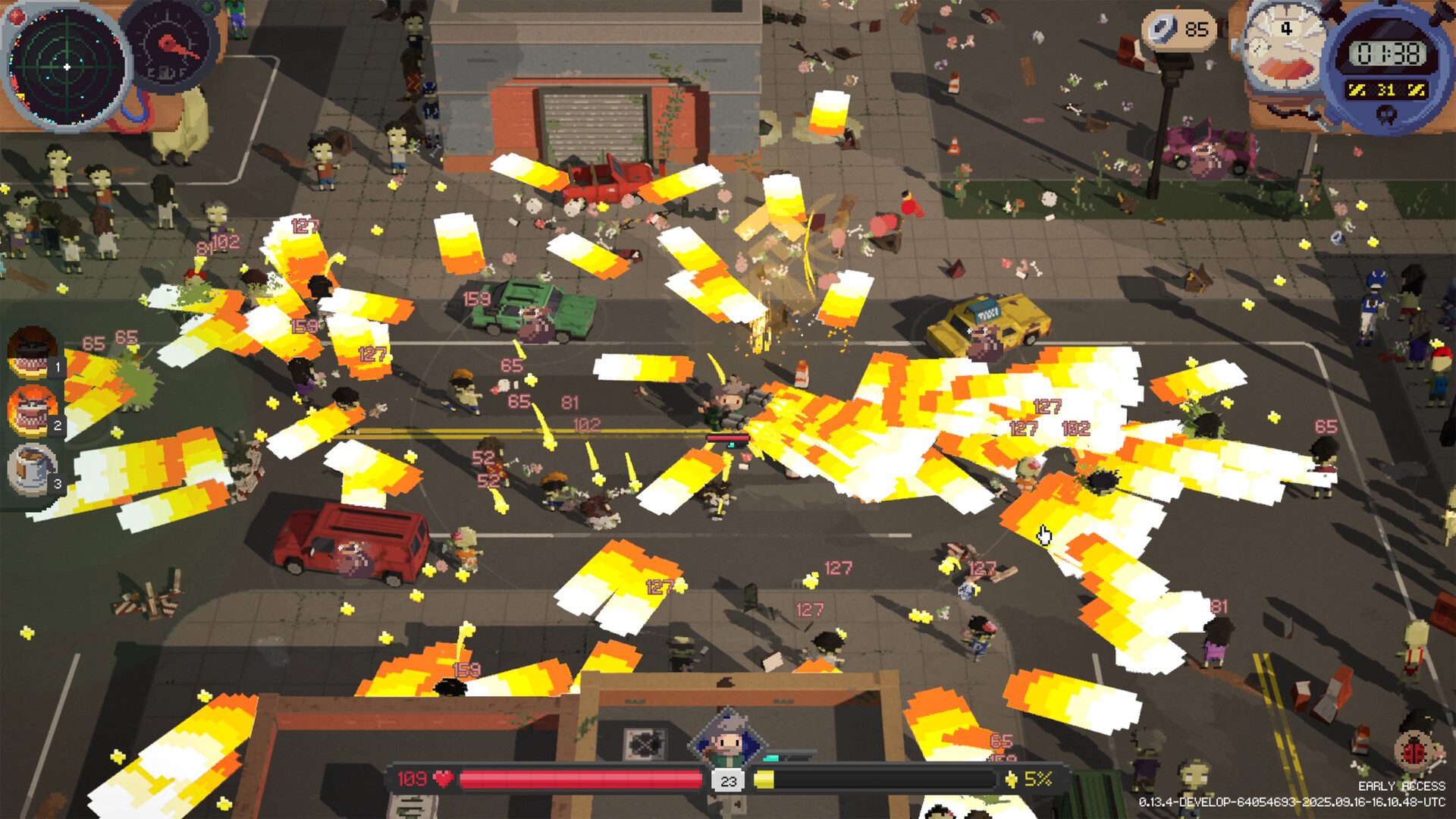
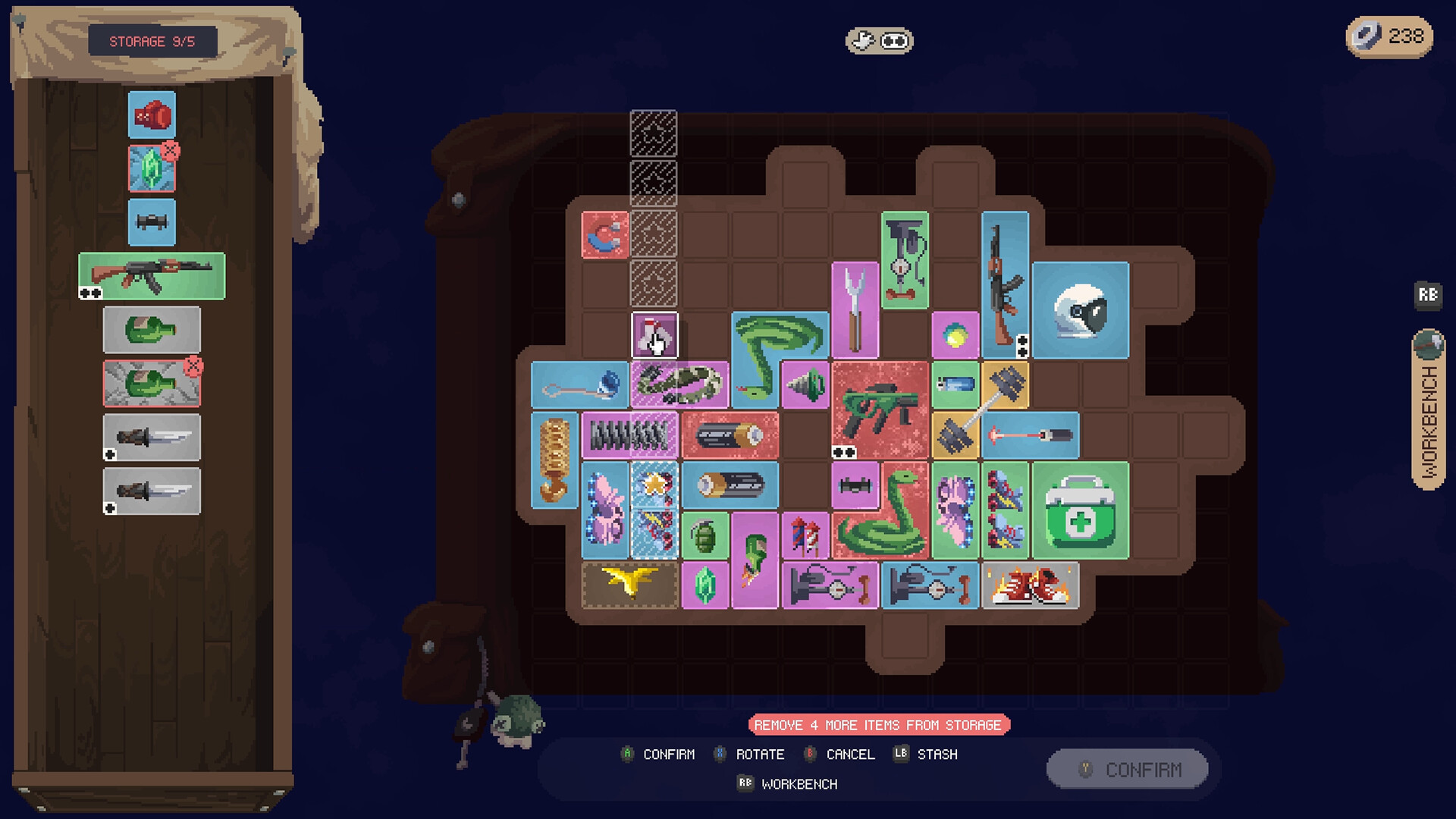
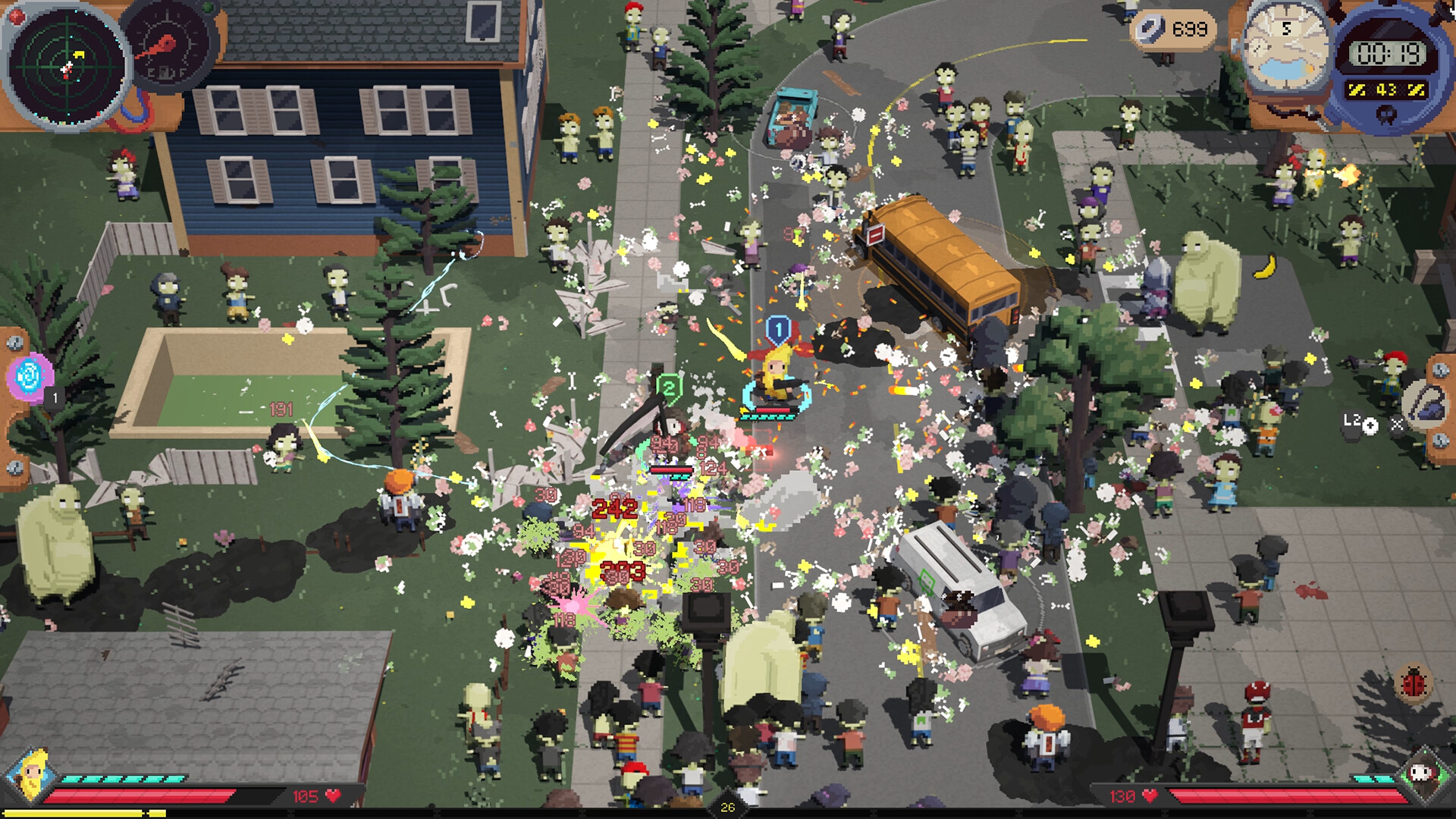
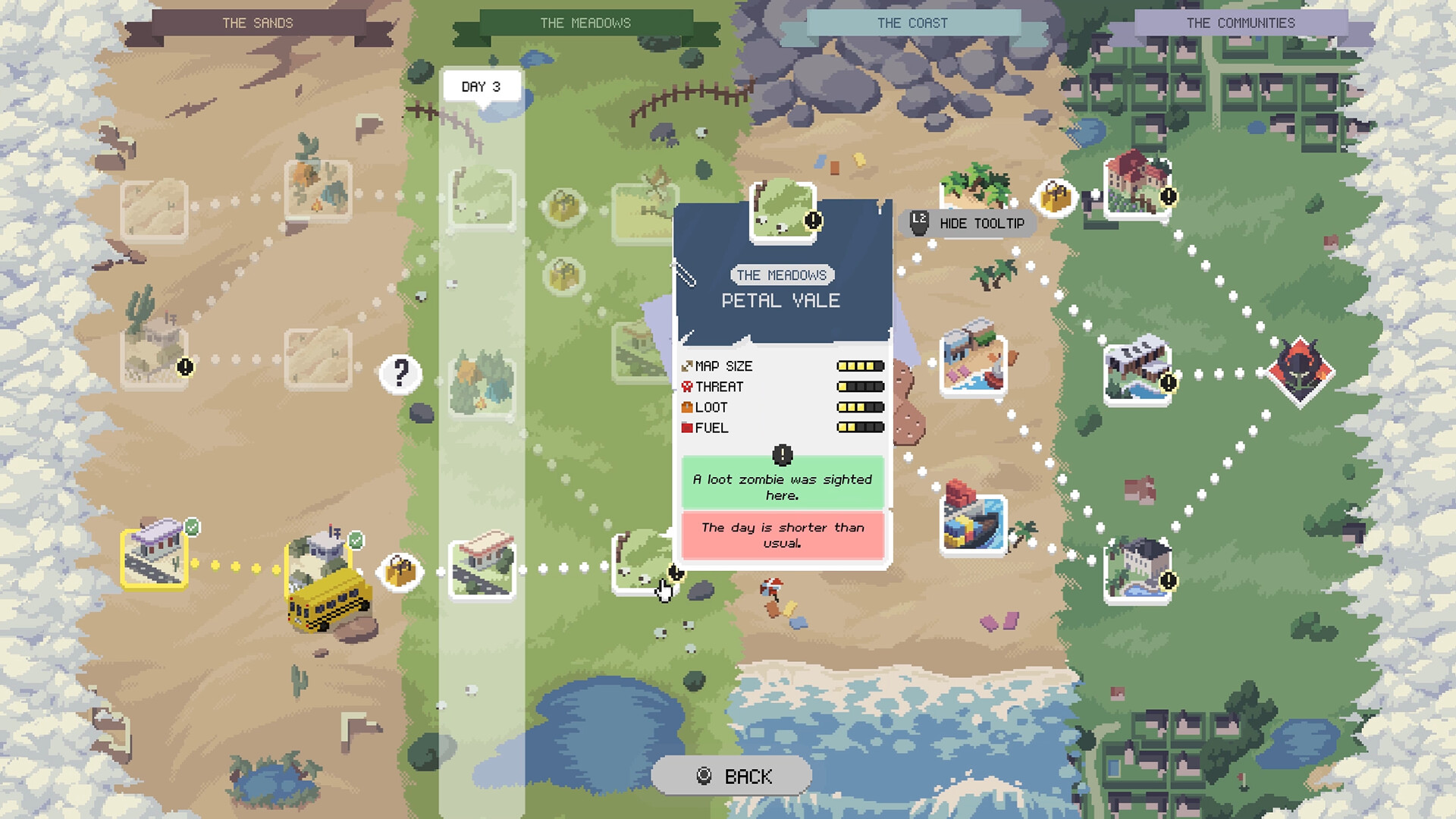
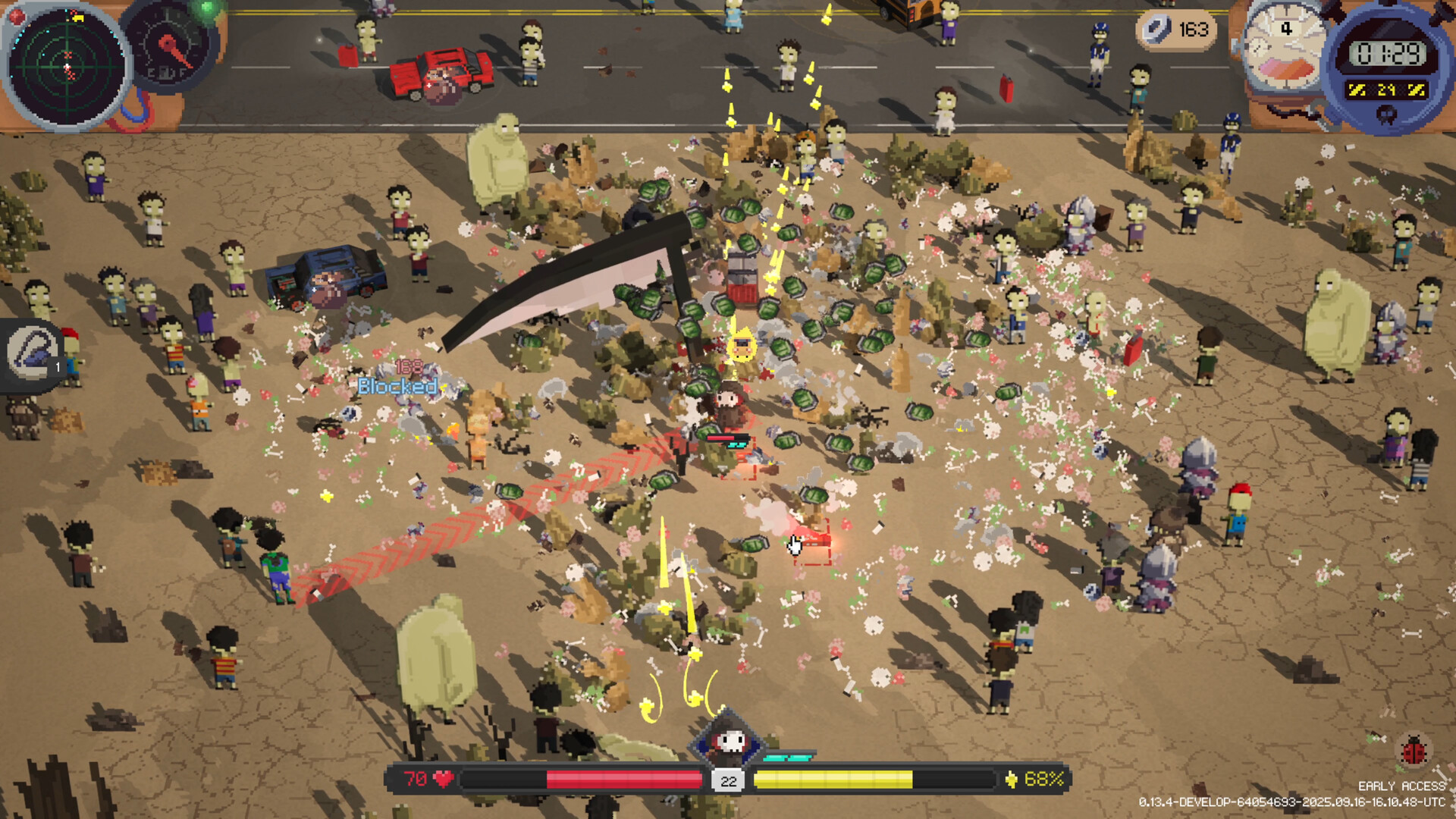
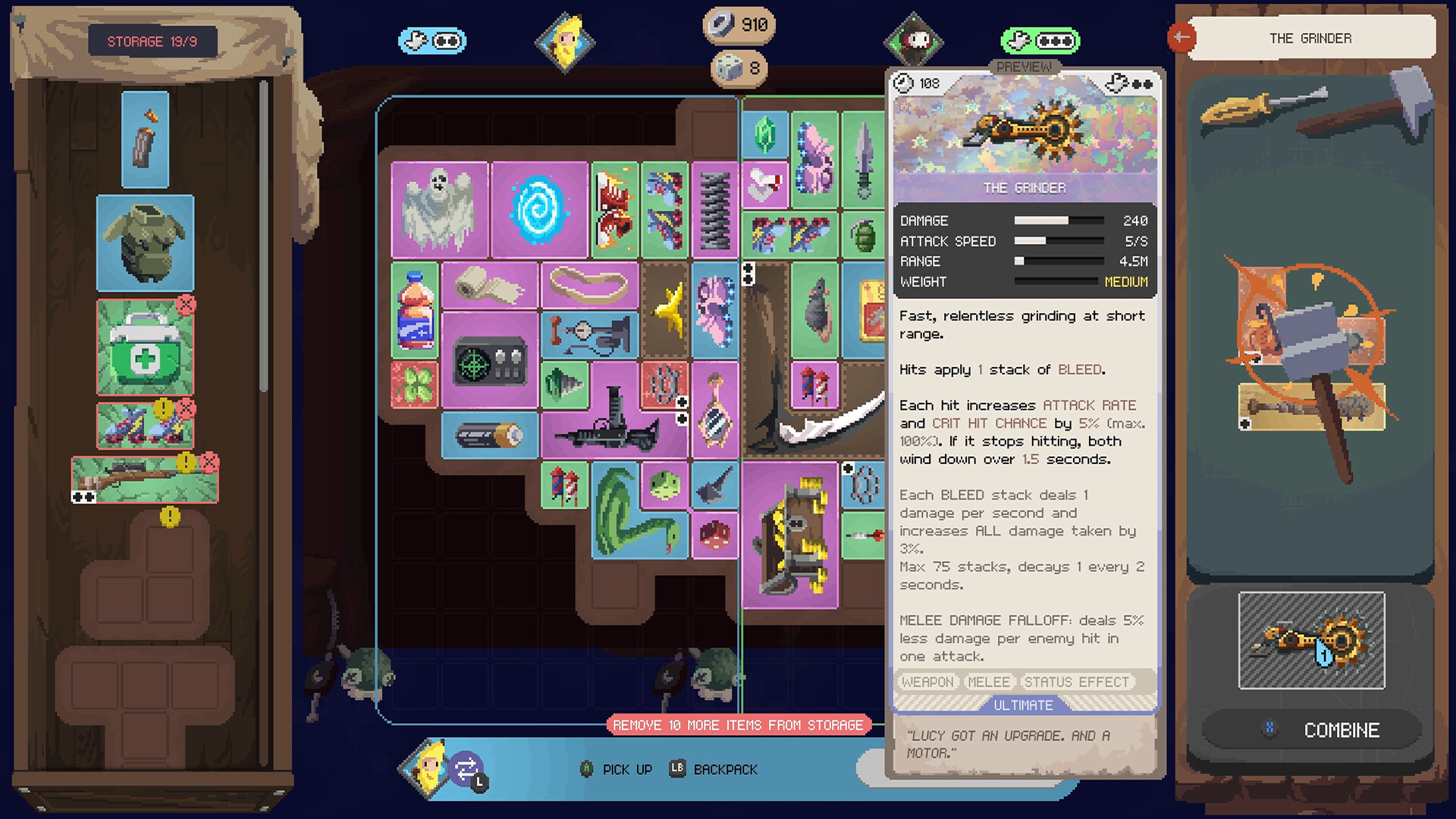
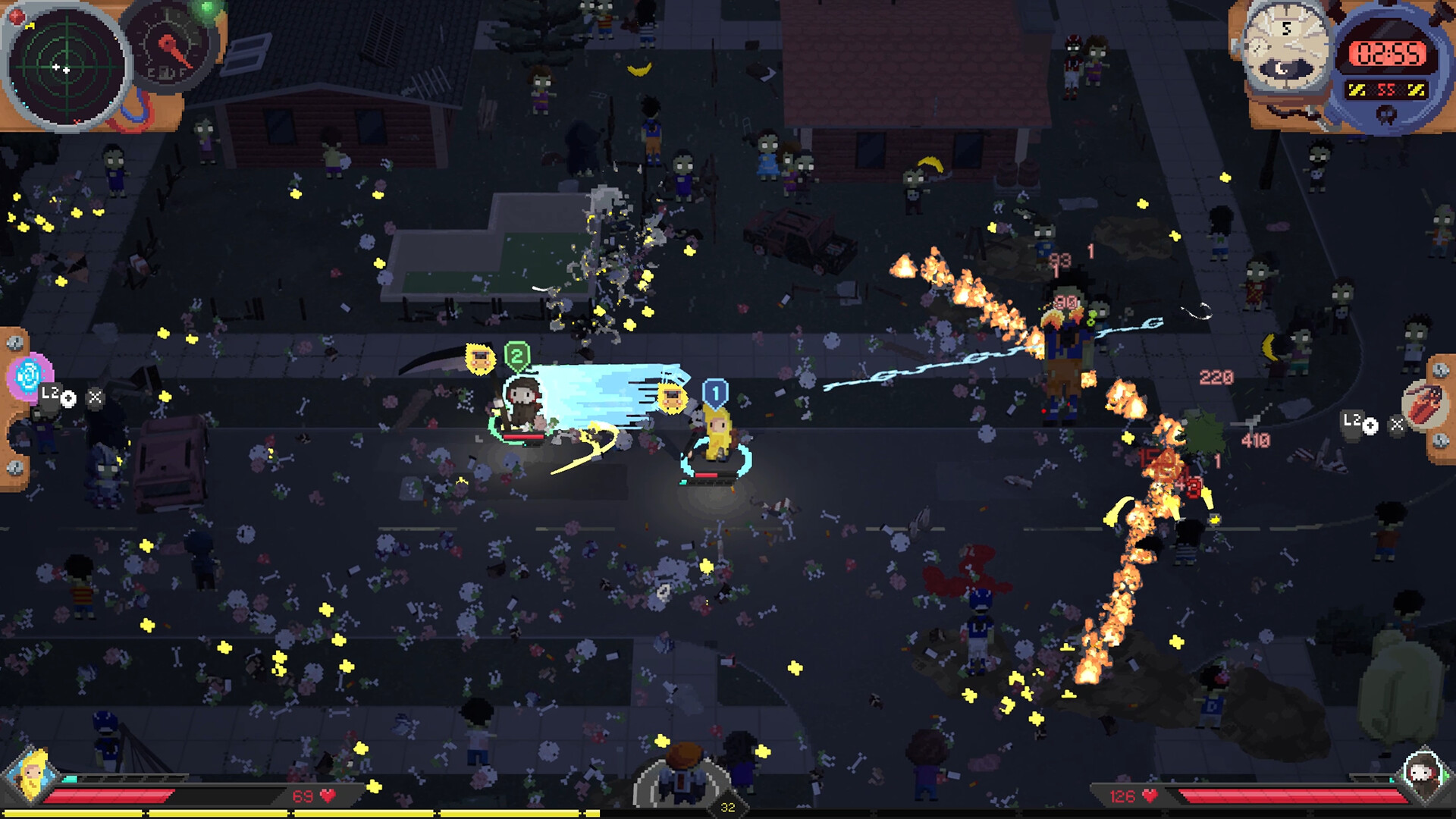
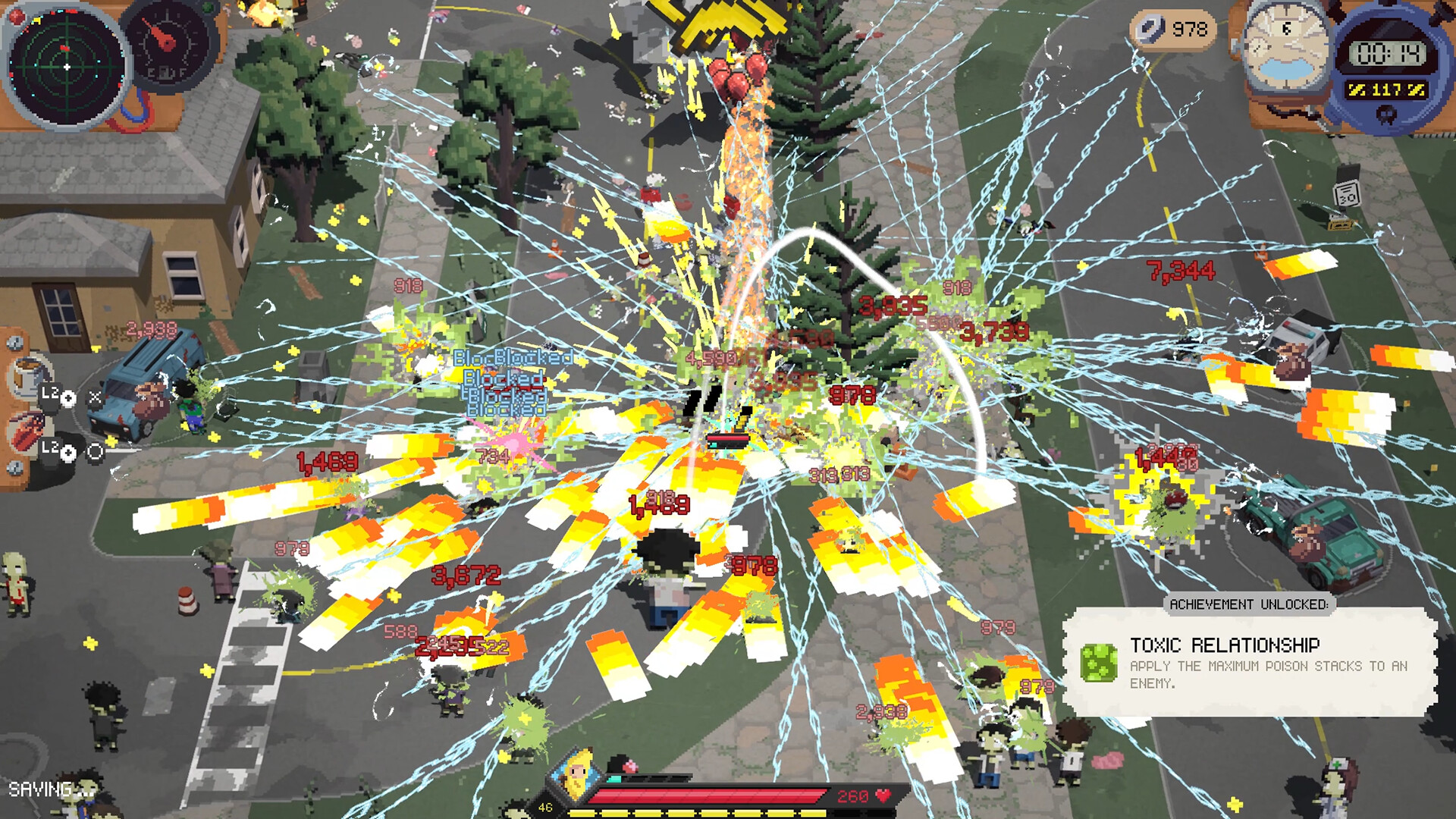
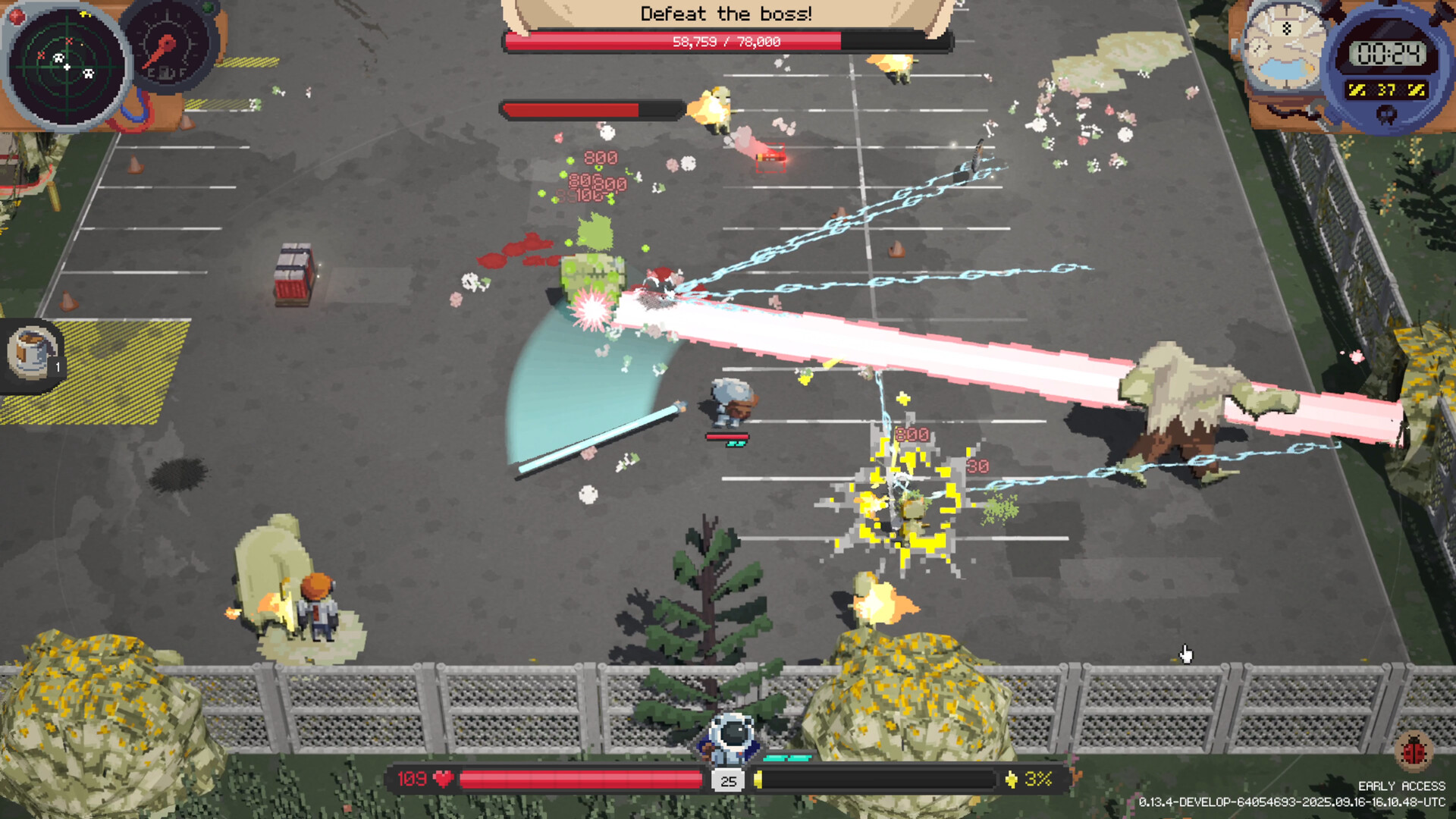
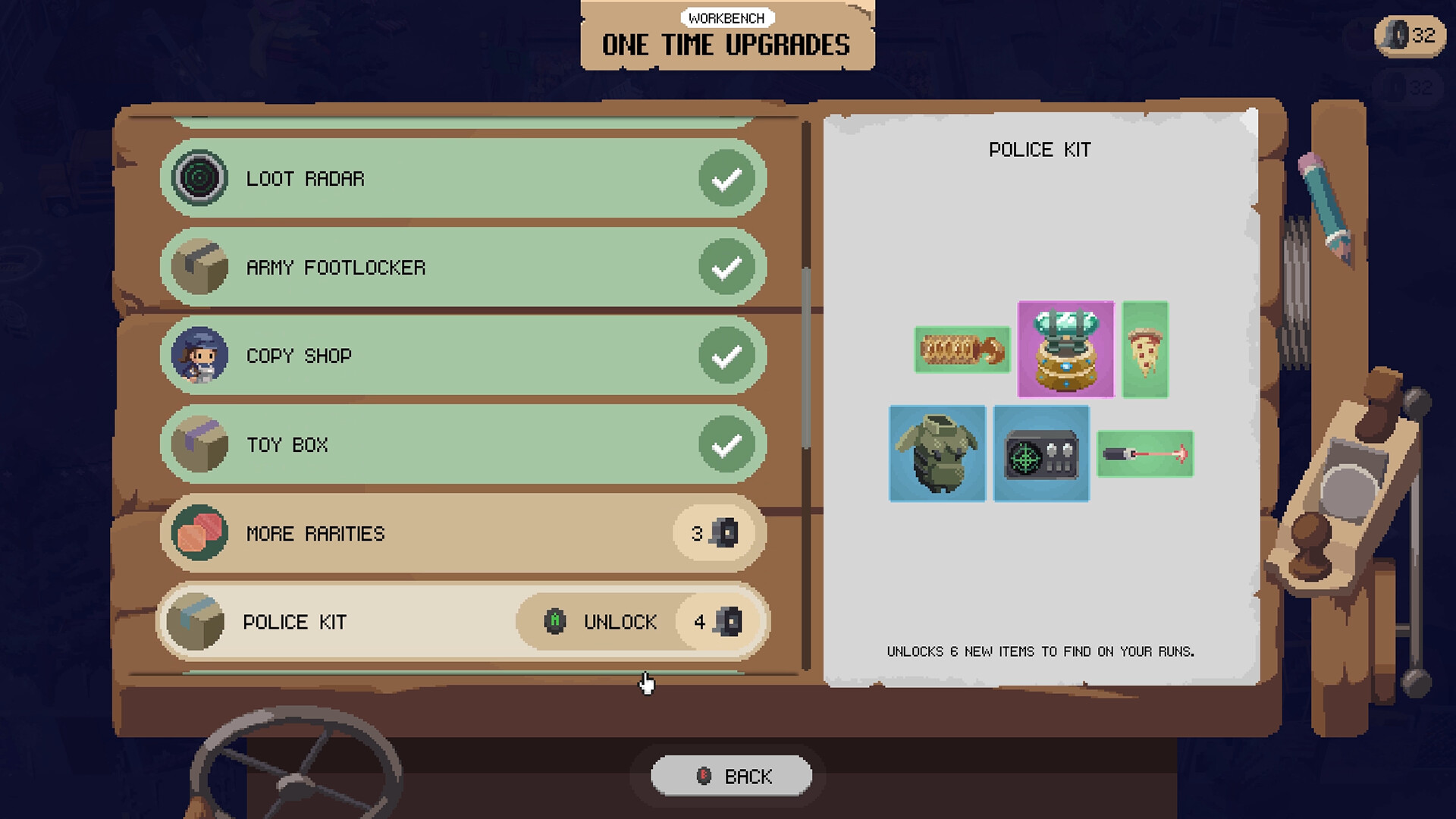
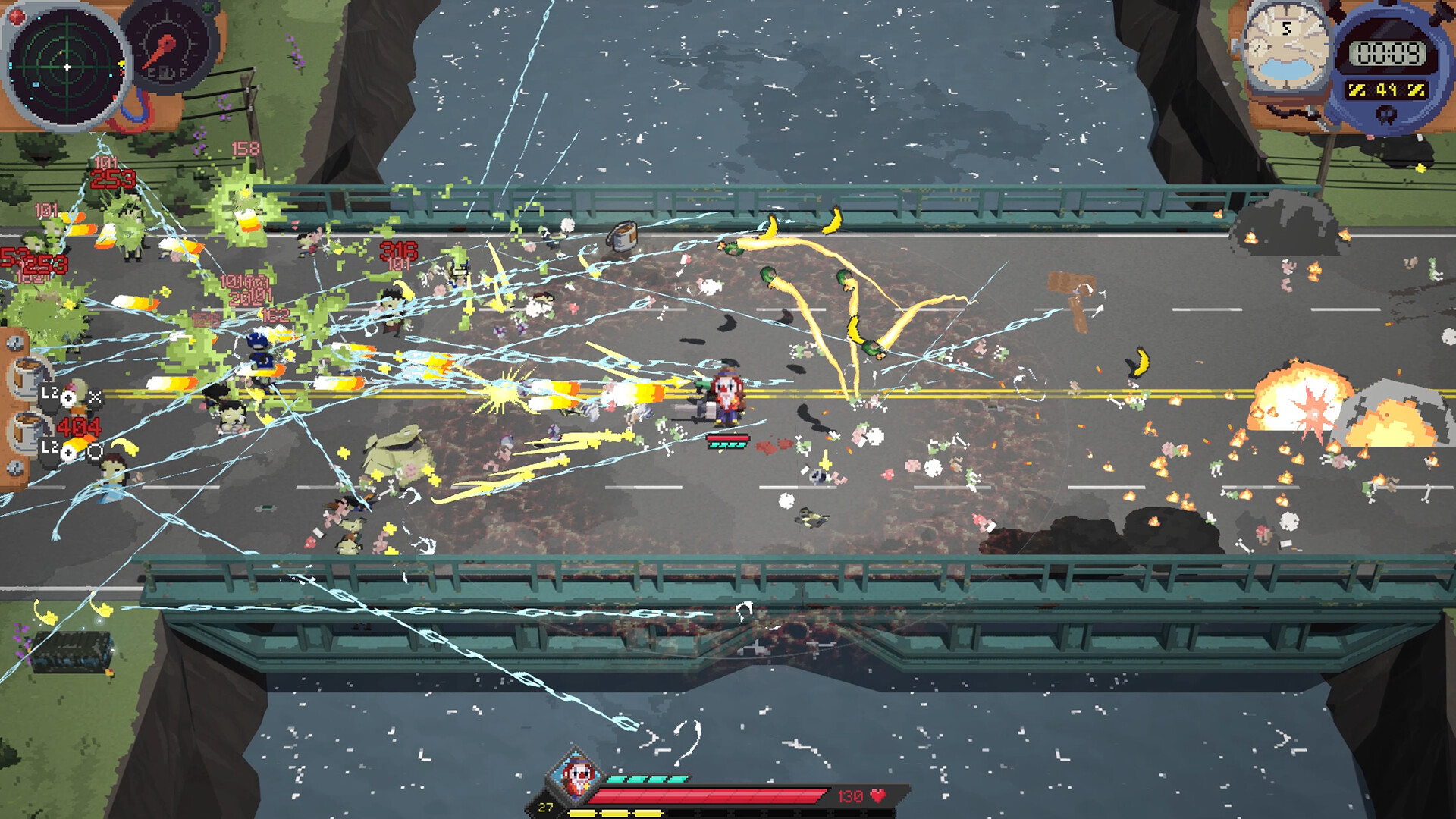
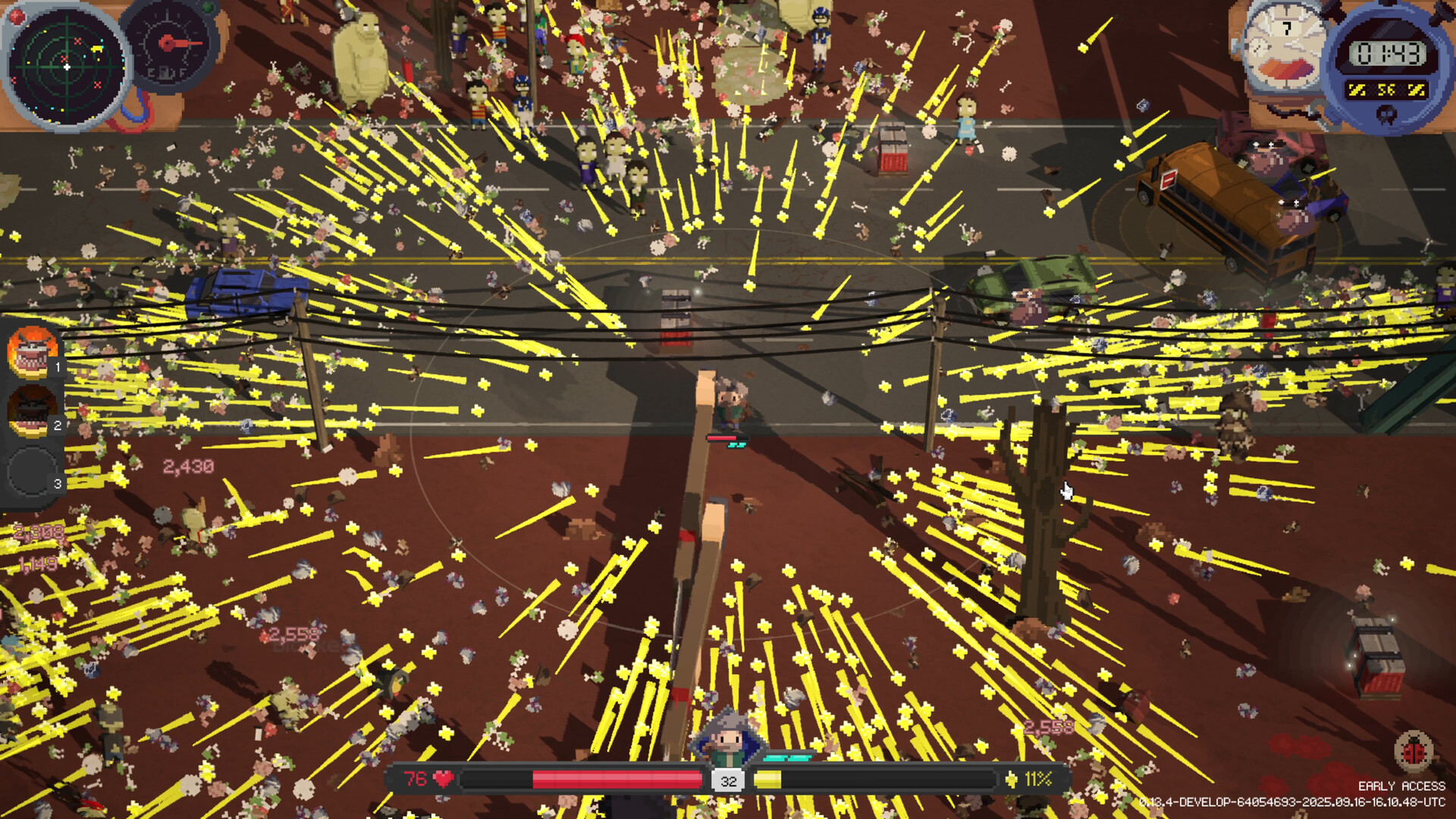
Image Credits: Pixelsplit | Comic artwork via X
| Game Features | |
|---|---|
| Genre | Bullet Heaven / Action Roguelite |
| Platforms | PC, PlayStation 5, Xbox Series X|S |
| Multiplayer | Single-player and local co-op |
| Exploration | Procedurally generated locations with day/night cycles |
| Equipment | 110+ weapons and items |
| Inventory | Grid-based backpack with equipment synergies |
| Progression | Permanent character upgrades and unlockable survivors |
| Game Modes | Standard runs, Endless Mode, Weekly Mode |
| Steam Page | Deadly Days: Roadtrip |
| Steam News | Game updates and release notes |
| Pixelsplit (X) | Developer news and announcements |
Have something to add? Join the PlayItAgain.gg community on Discord to share your thoughts, ask questions, and talk handheld gaming.
JOIN THE CONVERSATION