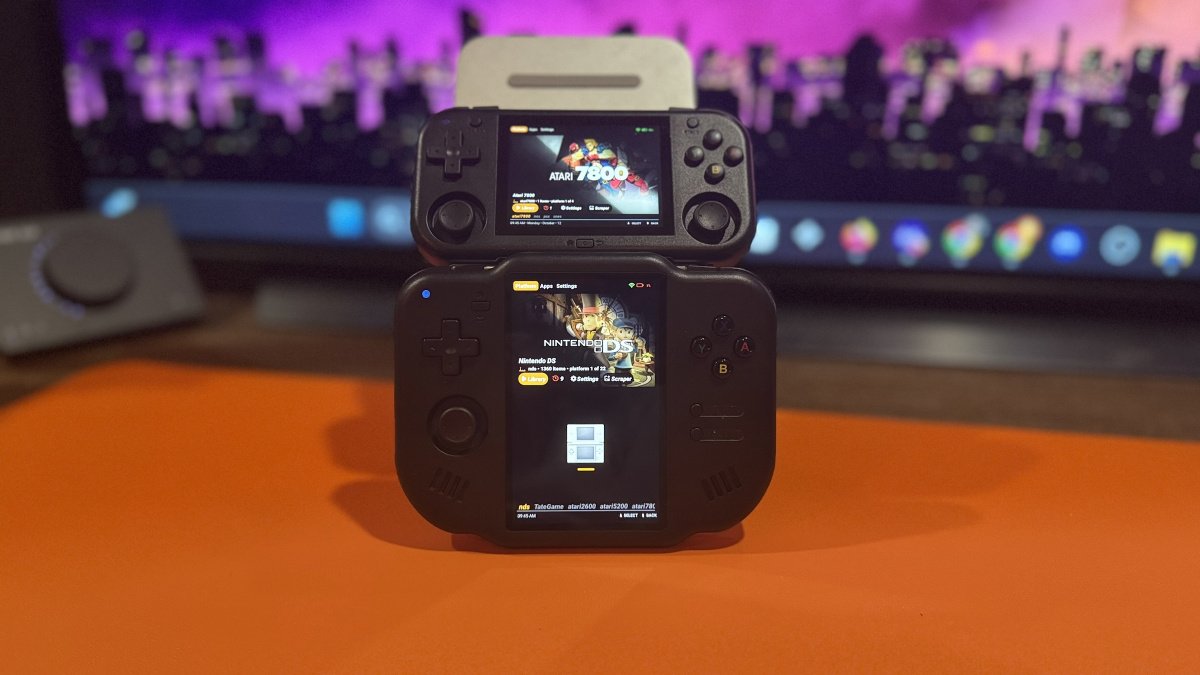
MagicX might not be as recognizable as Anbernic or Retroid, but the Chinese handheld manufacturer has been making a name for itself with affordable, compact retro gaming devices. Previous releases include the XU10, XU Mini M, Mini Zero 28, and the Nintendo DS-inspired Zero 40.
I own a couple of these handhelds myself, and I’ve always found them to be fun, quirky devices to pull out on occasion, rather than something I’d spend hours gaming on. My favorite of the bunch is the Zero 40, a single-screen handheld designed with Nintendo DS emulation and vertically oriented arcade games in mind. Yes, you can play other systems on it, but I’d only recommend doing so if you enjoy having the bottom half of your screen occupied by a big black square.
MagicX hasn’t been without controversy, either. Most notably, the XU Mini M shipped with a less powerful processor than originally advertised, an issue MagicX blamed on its supplier. Early Mini Zero 28 units also had a USB-C port design issue that made them incompatible with certain charging cables. To be fair, many of these handhelds can be finicky when it comes to cables. I thought USB-C was supposed to standardize things. Yet another thing in life I’ve been wrong about.
Despite these setbacks, MagicX hasn’t slowed down when it comes to developing new handhelds. Its upcoming Mini Dream could be its most ambitious yet.
Big Ideas, Long Waits
The company regularly shares concepts, design renders, and proposed specifications for upcoming handhelds, often asking its Discord community to weigh in through polls and feedback. It’s an interesting approach that gives enthusiasts a voice in the development process, but it can also make keeping track of MagicX’s plans a bit of a challenge.
Take the proposed Retro DS, Two48, and Two45 handhelds, for example. MagicX announced all three as part of its 2025–2026 roadmap, but their futures remain uncertain. The Two45 was eventually redesigned and renamed the Two58, while updates on the Retro DS and Two48 have been scarce. More recently, the company delayed its Two Dream handhelds, citing rising memory costs and a desire to keep prices affordable. The Mini Dream appears to be following a similar path, having already undergone a substantial redesign without a confirmed release date.
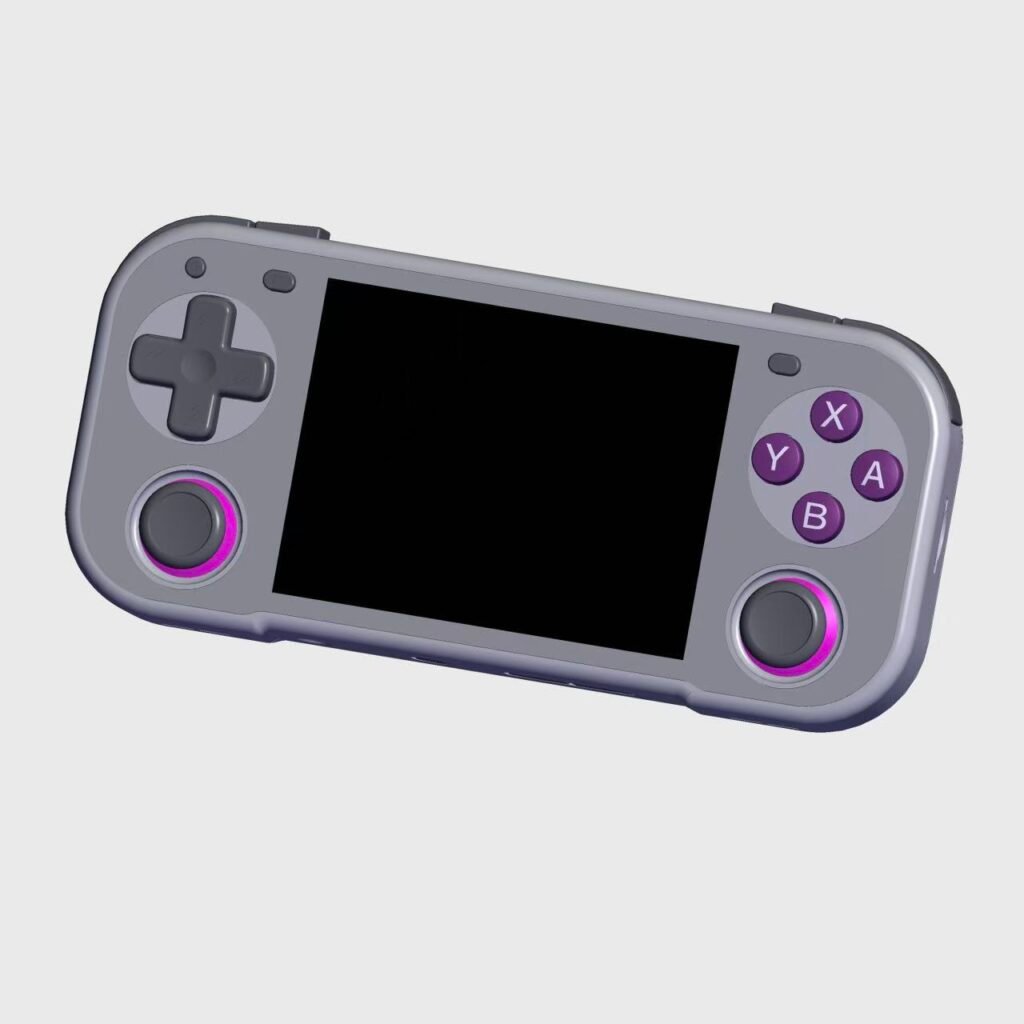
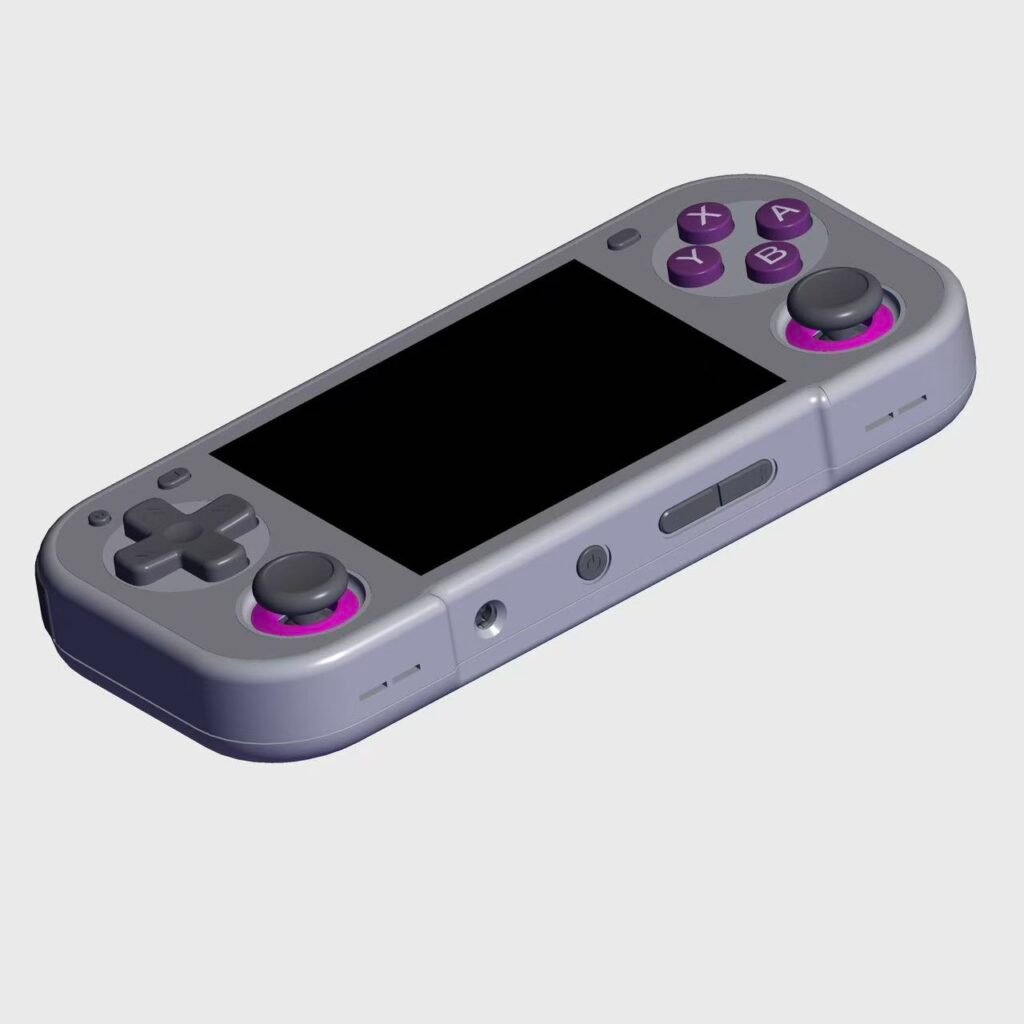
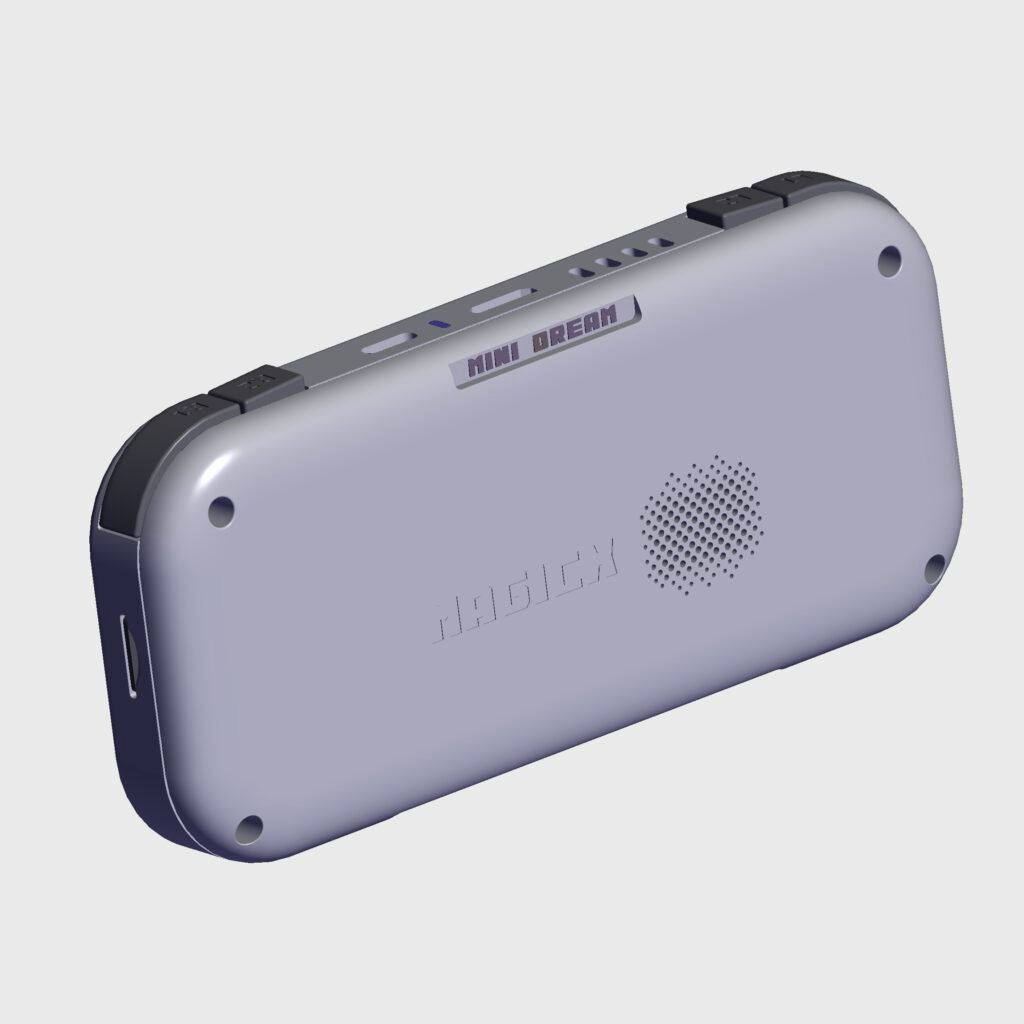
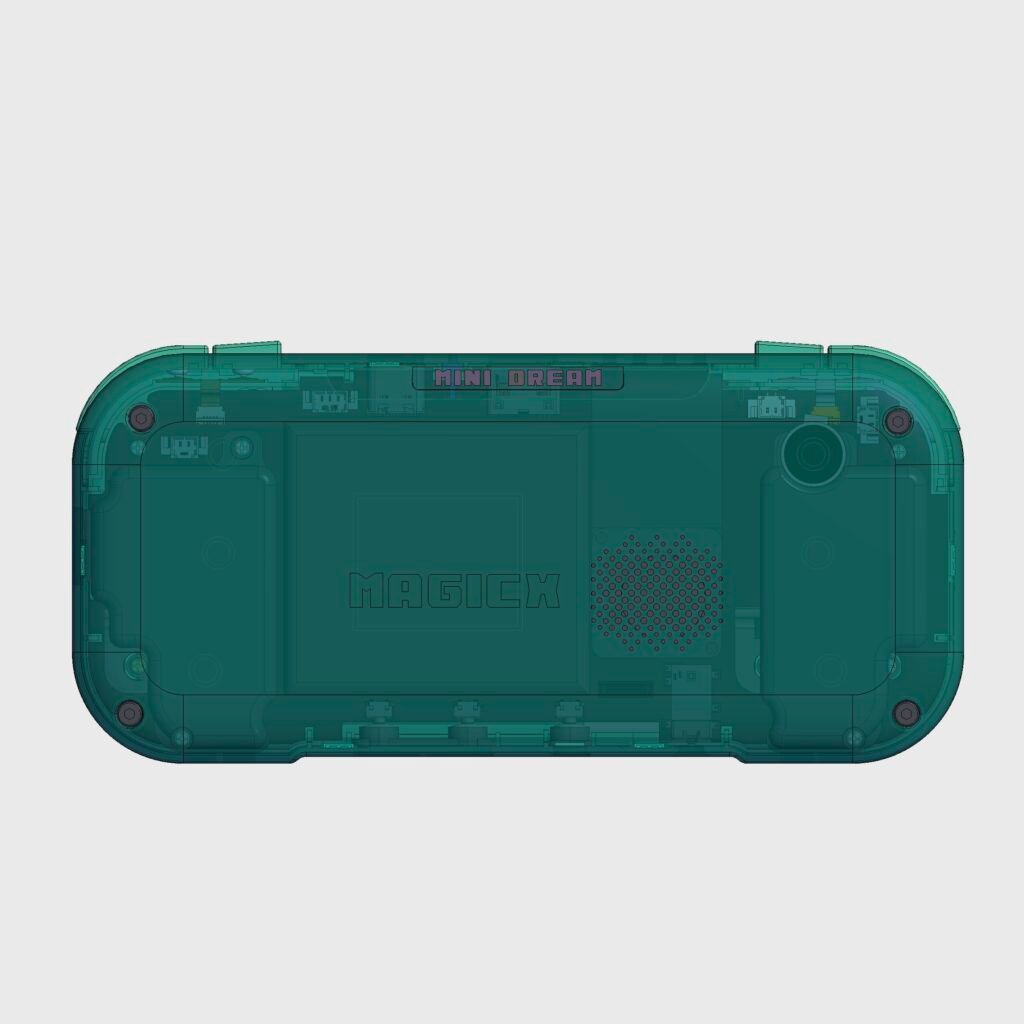
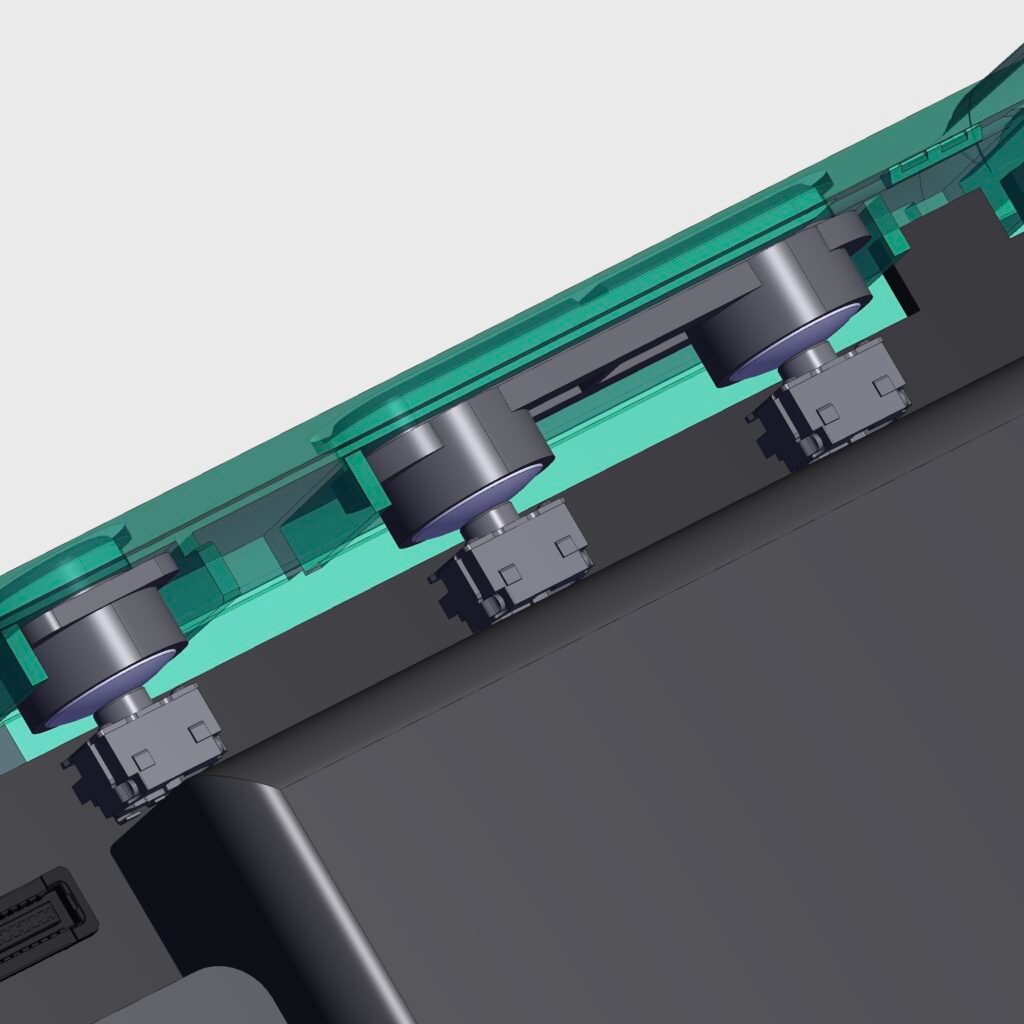
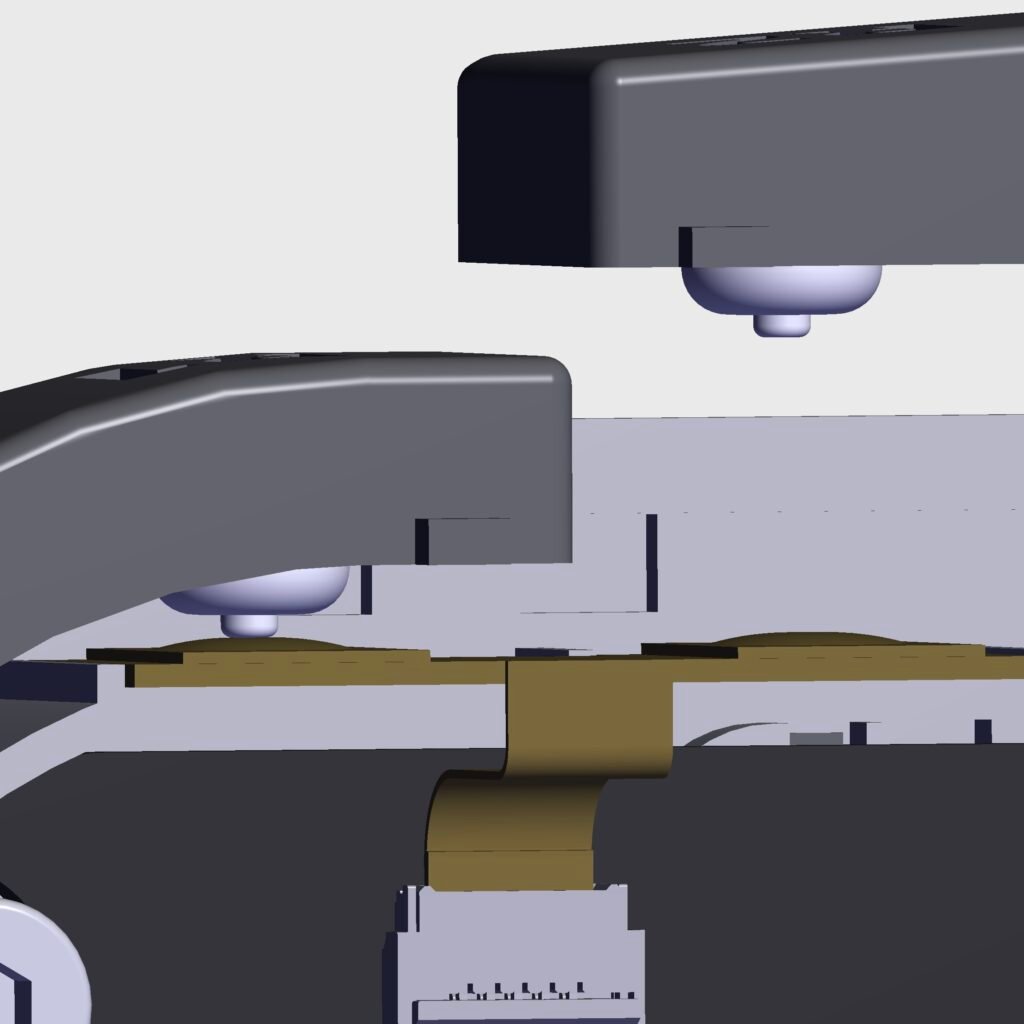
MagicX Mini Dream design renders. Images via MagicX.
The Mini Dream Takes Shape
The MagicX Mini Dream is another tiny handheld built around a 3.3-inch OLED display with a 1024 × 768 resolution. Its 4:3 screen should be well suited for older games that were originally designed for squarer displays. After several rounds of refinement, MagicX has made the Mini Dream smaller and lighter, with a target weight of under 170 grams. The company has even described the redesigned Mini Dream as its “graduation piece” for the miniature handheld form factor.
Like so many of these handheld companies, MagicX can’t seem to settle on just one device. Instead, it’s planning four configurations, two running Linux and two running Android. The Linux models will rely on fanless cooling, while the Android versions will include cooling fans and touchscreen support. MagicX has announced an $80 price for the entry-level Mini Dream LL, excluding shipping. Pricing and processor details for the two middle configurations, the LP and AL, remain unannounced.
I’m a one-man show, so this news is a little stale, but it’s still interesting to me. Back on October 6, MagicX gave its community its clearest look yet at the Mini Dream AP, the more powerful Android model. For $179, MagicX is promising a MediaTek Dimensity 7300 processor, 6GB of RAM, and 128GB of storage. It’s a promising combination for such a small handheld, although we’ll have to wait for actual hardware to see how well it performs.
But here’s my question: Who’s excited to drop $179 (plus shipping) for a 3.3-inch screen, even if it’s OLED? I’m not sure my old-ass eyes would be able to tell the difference on a screen that small.
MagicX also shared new exterior renders of the Mini Dream, along with additional details about its controls and audio. The shoulder buttons and function keys are designed to be quieter and more comfortable to press, while the speakers are being developed to deliver fuller sound than you might expect from such a compact device.
On paper, the Mini Dream seems like a compelling option for those who enjoy smaller handhelds. Specifications and pricing for the remaining configurations, shell color options, and other details are expected in future announcements. There’s still no confirmed preorder window or release date, and with MagicX’s history of revising its designs based on community feedback, some of these details could change before launch.
Hopefully, the next announcement will involve something more concrete than another set of renders.
| Display & Design | |
|---|---|
| Display | 3.3-inch OLED |
| Resolution | 1024 × 768 (4:3) |
| Dimensions | 137 × 63 × 18.5 mm |
| Weight | Under 170g (target) |
| Battery | 3,500 mAh |
| Mini Dream AP Hardware | |
| Processor | MediaTek Dimensity 7300 |
| RAM | 6GB |
| Storage | 128GB |
| Operating System | Android (version TBA) |
| Cooling | Active cooling |
| Controls & Connectivity | |
| Controls | Dual analog sticks, D-pad, ABXY buttons |
| Shoulder & Function Buttons | Japanese silent dome switches with high-resilience silicone mechanism |
| Wi-Fi | Wi-Fi 6 (AP model) |
| Bluetooth | 5.4 (AP model) |
| Audio | Dual-channel speakers with BOX-style enclosures |
| Ports | USB-C, microSD card slot |
| Availability | |
| Release Date | Not announced |
| AP Price | $179 USD (announced) |
Specifications are based on MagicX announcements and design renders. Final production hardware may differ.
| Model | OS | Processor | Cooling | Touchscreen | Price |
|---|---|---|---|---|---|
| LL | Linux | RK3566 | Passive | Not specified | $80 |
| LP | Linux | TBA | Passive | Not specified | TBA |
| AL | Android | TBA | Active | Planned | TBA |
| AP | Android | Dimensity 7300 | Active | Planned | $179 |
All four configurations are planned and subject to change. Prices are in USD. The $80 LL price excludes shipping. Processors and pricing for the LP and AL models have not been announced. Touchscreen support has been specified for the Android models only.
| MagicX Official Discord | October 6 announcement featuring exterior design renders, Mini Dream AP specifications, $179 pricing, button mechanisms, and audio details. |
| MagicX Project Update | Initial specifications, four planned configurations, OLED display details, and pricing for the LL model. |
| MagicX Redesign Announcement | Revised dimensions, reduced weight, battery capacity, and cooling configurations. |
| MagicX October Update | Final exterior renders, Dimensity 7300 specifications, $179 pricing, button switches, and speaker details. |
| Notebookcheck | Independent reporting on the Mini Dream AP hardware, design, connectivity, and pricing. |